7 Types of Plumbing Emergencies and How to Deal With Them
Plumbing emergencies have a way of showing up at the worst possible times. Late at night, early in the morning, or right when guests are about to arrive. One minute everything is fine, and the next you are standing in water wondering how things escalated so fast. Around SeaTac and the Greater Seattle area, we see this daily, and most emergencies follow a familiar pattern.
At Fox Plumbing, Heating & Cooling, we believe a little knowledge goes a long way when things start going wrong. Knowing what counts as a true plumbing emergency and what to do in those first few minutes, can limit damage and stress. Here are seven of the most common plumbing emergencies we respond to, along with practical steps to take until help arrives.
Dealing with a burst pipe, slab leak, or water heater failure? Reach out to Fox for fast and reliable emergency plumbing services. Call us 24/7 at (253) 652-0223 or contact us online.
#1. Burst Pipes and Sudden Major Leaks
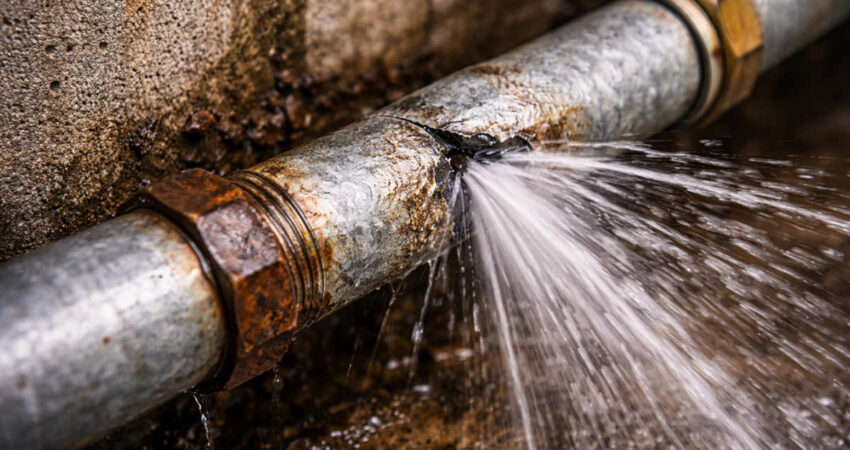
A burst pipe is one of the fastest ways to turn a calm day into a crisis. Water can flood floors, walls, and ceilings in minutes, especially in older homes or during colder weather. Even a major leak that has not fully burst yet should be treated with urgency.
If this happens, your first move is always to shut off the main water supply. That alone can save thousands of dollars in damage. Once the water is off, call a professional right away.
Key steps to take during a burst pipe emergency include:
- Shut Off the Main Water Valve: This stops the flow immediately and prevents further flooding while you assess the situation.
- Drain Remaining Water: Turn on nearby faucets to release trapped water and reduce pressure in the pipes.
- Protect Belongings: Move furniture, rugs, and valuables away from affected areas if it is safe to do so.
- Call an Emergency Plumber: Professional repair is essential to fix the pipe correctly and prevent repeat failures.
#2. Overflowing Toilets That Will Not Stop
An overflowing toilet is more than embarrassing; it can quickly become unsanitary and damaging. When plunging does not work and water keeps rising, it is time to act fast. Toilets often overflow due to clogs, sewer backups, or internal tank failures.
The first thing to do is shut off the toilet’s water supply valve, usually located behind or beside the toilet. This stops more water from entering the bowl. Avoid flushing again, which can make things worse.
If the problem repeats or affects multiple fixtures, it may point to a deeper drain or sewer issue. That is when calling in a professional becomes critical, especially to avoid wastewater backing up into your home.
#3. Sewer Line Backups and Drain Overflows
Few plumbing emergencies are as unpleasant as a sewer backup. When wastewater comes up through drains, tubs, or toilets, it poses health risks and can damage flooring and walls. These situations are never DIY friendly.
Sewer backups often start with slow drains, gurgling sounds, or foul odors. Ignoring those early signs can lead to a full blockage that sends waste back into the house.
Common warning signs and immediate actions include:
- Multiple Drains Backing Up: This usually signals a main sewer line problem rather than a single clogged drain.
- Strong Sewer Odors: Persistent smells often indicate trapped waste or broken sewer components.
- Gurgling Noises: Air trapped in blocked pipes can create bubbling sounds when water drains.
- Stop Using Water: Avoid running water anywhere in the home to prevent worsening the backup.
Professional sewer line service is the safest way to clear the blockage and identify underlying problems like tree root intrusion or pipe damage.
#4. Water Heater Failures and Leaks
A failing water heater can create several emergency scenarios, from no hot water to leaking tanks that flood nearby areas. In some cases, leaking water heaters can even damage electrical components or surrounding structures.
If you notice pooling water around the unit, shut off the water supply and power to the heater. For gas units, turning off the gas supply is also important for safety.
Water heater emergencies often involve:
- Tank Leaks: Corrosion or internal failure can cause sudden leaks that worsen quickly.
- No Hot Water: A complete loss of hot water can indicate serious internal issues.
- Discolored or Smelly Water: Rusty or foul-smelling water may signal tank deterioration.
- Strange Noises: Popping or rumbling sounds can point to sediment buildup and overheating.
Prompt professional inspection helps determine whether water heater repair or replacement is the safer option.
#5. Frozen Pipes During Cold Weather
While Seattle winters are generally mild, cold snaps still catch homeowners off guard. Frozen pipes are dangerous because as water freezes, it expands, increasing the risk of the pipe cracking or bursting once it thaws.
If you suspect frozen pipes, avoid turning up the heat too fast or using open flames to thaw them. Gradual warming is safer and reduces the risk of sudden rupture.
Steps to take if pipes freeze include:
- Shut Off the Water Supply: This limits flooding if the pipe breaks during thawing.
- Open Nearby Faucets: This relieves pressure and allows water to escape as ice melts.
- Apply Gentle Heat: Use warm air from a hair dryer or space heater at a safe distance.
- Call a Professional: A plumber can safely thaw pipes and inspect for hidden damage.
#6. Gas Line Issues and Suspected Leaks
Gas line problems are less common, but they are among the most dangerous plumbing-related emergencies. If you smell gas, hear hissing near a gas appliance, or feel dizzy indoors, treat it as an immediate emergency.
Do not attempt to locate the leak yourself. Safety comes first. Leave the home immediately and contact emergency services or your gas provider if necessary.
After safety is ensured, a licensed professional should inspect and repair the gas line. Proper handling is critical, and only trained technicians should work on gas systems to protect your home and family.
#7. Major Fixture Failures and Appliance Leaks
Sometimes plumbing emergencies come from everyday fixtures or appliances. Washing machines, dishwashers, and sinks can all fail suddenly, releasing large amounts of water onto floors.
Flexible supply lines are a common culprit, especially in older installations. When these lines rupture, water flows quickly and often unnoticed until damage is done.
Immediate steps include shutting off the water supply to the appliance or fixture and unplugging electrical equipment if water is present. Even if the leak seems minor, professional repair helps prevent repeat failures and hidden water damage behind walls or under floors.
Plumbing Emergency? Think Outside the Box… Call Fox!
Plumbing emergencies rarely wait for a convenient time, and that is why having a trusted professional on call matters. At Fox Plumbing, Heating & Cooling, we provide fast, reliable emergency plumbing services throughout SeaTac and the Greater Seattle area, helping homeowners regain control when things go sideways.
From burst pipes and sewer backups to water heater failures and gas line issues, our experienced team arrives prepared to solve the problem safely and efficiently.
If water is flowing where it should not be, or something just does not feel right, do not wait. Call us today at (253) 652-0223 for any plumbing emergency you may have in SeaTac or the Seattle area.