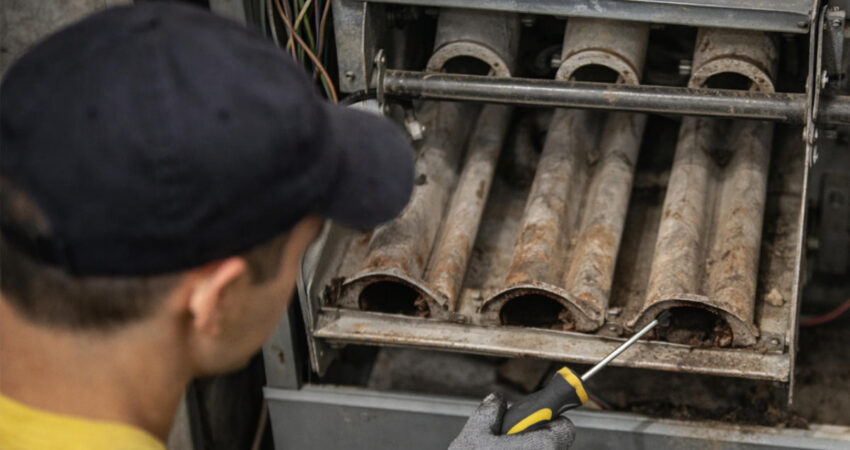
How a Cracked Furnace Heat Exchanger Puts Your Home at Risk
When the furnace kicks on during a cold SeaTac morning, most of us do not give it a second thought. We expect warm air, quiet operation, and a comfortable home. But hidden inside that furnace is a part doing some serious heavy lifting, the heat exchanger. When it is in good shape, it keeps your home warm and safe. When it cracks, things can get risky fast.
At Fox Plumbing, Heating & Cooling, we have seen firsthand how a cracked heat exchanger can turn from a small concern into a serious safety issue. The tricky part is that many homeowners do not realize there is a problem until warning signs start showing up. Understanding what a heat exchanger does, why cracks happen, and what to do next can help protect your home and the people inside it.
If you suspect your furnace’s heat exchanger is old or cracked, reach out to Fox for professional furnace repair or installation. Call us today at (253) 652-0223 or contact us online to schedule your next service.
What the Furnace Heat Exchanger Actually Does
The heat exchanger is the barrier between the combustion process and the air you breathe. When your furnace burns fuel, it creates heat and exhaust gases. The heat exchanger captures that heat and transfers it to the air that circulates through your home, while keeping harmful gases contained.
If the heat exchanger is intact, this process is safe and efficient. If it cracks, those exhaust gases can mix with household air. That is where the danger comes in.
A working heat exchanger helps ensure:
- Safe Heat Transfer: It allows heat to move into your home without letting combustion byproducts escape.
- Clean Indoor Air: Exhaust gases stay contained and vented outside.
- Efficient Operation: Heat moves easily through solid metal, reducing strain on the furnace.
- Reliable Comfort: The furnace cycles normally without frequent shutdowns or errors.
When this component fails, safety and efficiency both suffer, and ignoring it is never a good idea.
Why Heat Exchangers Crack Over Time
Heat exchangers are built to handle extreme temperature changes, but they are not indestructible. Over years of heating cycles, metal expands and contracts thousands of times. That constant stress eventually takes its toll.
Several factors can speed up the cracking process:
- Age of the Furnace: Older units have endured more heating cycles and metal fatigue.
- Overheating Issues: Dirty filters or airflow problems cause excessive heat buildup.
- Improper Installation: Incorrect sizing or setup creates uneven stress on the metal.
- Lack of Maintenance: Small issues go unnoticed and gradually worsen.
Cracks often start small and grow over time. That is why routine inspections matter. Catching early damage can prevent dangerous situations and unexpected system shutdowns.
The Real Safety Risks of a Cracked Heat Exchanger
This is where things get serious. A cracked heat exchanger can allow carbon monoxide and other combustion gases to leak into your home. Carbon monoxide is colorless, odorless, and extremely dangerous.
Symptoms of carbon monoxide exposure can include headaches, dizziness, nausea, and fatigue. In severe cases, it can be life-threatening. Families often mistake early symptoms for the flu or stress, which delays action.
Common risks associated with cracked heat exchangers include:
- Carbon Monoxide Leaks: Harmful gases escape into living spaces instead of venting outdoors.
- Furnace Shutdowns: Safety sensors may turn the system off repeatedly.
- Fire Hazards: Escaping flames or excessive heat increase fire risk.
- Health Concerns: Prolonged exposure affects everyone in the home, especially children and pets.
Any suspicion of a cracked heat exchanger should be treated as urgent. Safety always comes first.
Warning Signs Homeowners Should Never Ignore
One of the challenges with cracked heat exchangers is that they are not always obvious. The damage is internal, and many signs are indirect. That makes awareness especially important.
Here are some red flags we tell homeowners to watch for:
- Unusual Furnace Smells: A sharp or metallic odor during operation can signal trouble.
- Frequent System Cycling: The furnace turns on and off more often than normal.
- Soot Around the Furnace: Black residue near burners or vents suggests combustion issues.
- Triggered Carbon Monoxide Detectors: Alarms should always be taken seriously.
- Visible Rust or Corrosion: Surface damage often points to deeper internal problems.
If you notice one or more of these signs, it is time to stop guessing and get a professional inspection. Waiting rarely makes things better.
Why Repairs Are Not Always an Option
Homeowners often ask if a cracked heat exchanger can be repaired. In most cases, the answer is no. The heat exchanger is a sealed component designed to handle intense heat and pressure. Once cracked, its structural integrity is compromised.
Attempting to patch or weld a cracked heat exchanger is unsafe and not recommended. Many manufacturers and safety codes require replacement instead. In some situations, replacing the entire furnace makes more sense financially.
Factors that influence the best solution include:
- Age of the Furnace: Older systems may be near the end of their lifespan.
- Cost of Replacement Parts: Heat exchangers are often expensive components.
- Overall Efficiency: Newer furnaces offer better performance and lower energy bills.
- Warranty Coverage: Some heat exchangers carry long or lifetime warranties.
A professional evaluation helps determine the safest and most practical path forward.
How Regular Maintenance Helps Prevent Heat Exchanger Damage
While not all cracks are preventable, regular maintenance greatly reduces the risk. Annual furnace inspections allow technicians to spot overheating issues, airflow restrictions, and early signs of metal fatigue.
Maintenance tasks that protect your heat exchanger include:
- Filter Replacement: Clean filters keep airflow steady and temperatures balanced.
- Burner Inspections: Proper combustion reduces stress on internal components.
- Airflow Testing: Balanced airflow prevents hot spots inside the exchanger.
- Safety Checks: Carbon monoxide testing ensures exhaust gases are venting properly.
At Fox, we look beyond surface-level issues. Our goal is to keep your furnace running safely, not just running.
What to Do If You Suspect a Cracked Heat Exchanger
If you think your heat exchanger might be cracked, the safest move is to turn the furnace off and call a professional. Do not keep running the system to see if the problem goes away. It will not.
A trained technician can inspect the exchanger using specialized tools, including cameras and combustion analyzers. This allows for accurate diagnosis without guesswork.
In the meantime, make sure carbon monoxide detectors are working and placed near sleeping areas. Fresh air and safety precautions help reduce risk until the issue is resolved.
Get Trusted Furnace Repair in SeaTac and Seattle from Fox Plumbing, Heating & Cooling
A cracked furnace heat exchanger is not just a mechanical problem, it is a safety concern that deserves immediate attention. At Fox Plumbing, Heating & Cooling, we help homeowners throughout SeaTac and the Greater Seattle area identify and resolve furnace issues before they put families at risk.
Whether you need a thorough inspection, an honest second opinion, or a full furnace replacement, our experienced team is ready to help. We focus on clear communication, same-day service, and solutions that keep your home safe and comfortable.
If something feels off with your furnace, trust your instincts and reach out. Think outside the box… Call Fox at (253) 652-0223 for trusted HVAC services in SeaTac, Seattle, and the nearby areas.