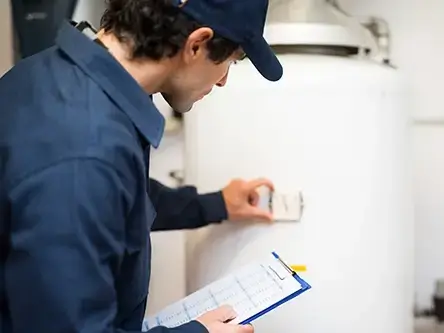
Should I Repair or Replace My Water Heater? A Homeowner’s Guide
Imagine it’s been a long day. You step into the shower expecting the comforting warmth you crave, only to be met with a sudden blast of cold water. That surprise is nobody’s friend, especially when it comes from your water heater. When your trusty water heater starts giving you trouble, it’s more than just an inconvenience—it’s about your daily comfort, your energy bills, and sometimes even your safety. So, how do you decide: repair the old workhorse or replace it with a shiny new model? Knowing the signs and understanding your options can make all the difference.
Getting to Know Your Water Heater’s Lifespan and Types
Water heaters quietly power many of your daily routines—from showers to dishwashing to laundry. But like any appliance, they have a lifespan. Traditional tank water heaters typically last about 8 to 12 years, depending on usage and maintenance. On the other hand, tankless water heaters, which heat water on demand instead of storing it, can often last over 20 years with proper care. And then there are heat pump water heaters—smart options that use the surrounding air or ground heat to warm water efficiently, often qualifying as the eco-friendly choice.
Understanding these basic types and their lifespans sets a solid foundation for deciding when to fix what you have and when to look toward an upgrade.
Spotting the Red Flags: Does Your Water Heater Need Attention?
Your water heater won’t always send out an SOS, but it does drop hints. Here’s what to look—and listen—for:
- Inconsistent Hot Water: If your hot water runs out faster than usual or switches from hot to cold unexpectedly, it might be a sign of a failing heating element or sediment buildup reducing your heater’s efficiency.
- Noisy Operation: Popping, rumbling, or banging sounds often mean sediment is collecting at the bottom of the tank. Not only does this cause noisy disturbances, but it can also gradually damage the tank from within.
- Rust-Colored Water: If your water runs rusty or has a metallic taste, corrosion inside the tank is probably at play—a serious signal that your water heater might be nearing the end of its life.
- Leaks Around the Base: Any water pooling or dampness near your heater should prompt immediate attention, as leaks usually mean internal failure.
- Rising Energy Bills: An older system that struggles to heat water efficiently tends to work overtime, causing your utility bills to climb even if your habits haven’t changed.
Listening to and acting on these warning signs early can save you headaches down the road.
Repair or Replace? Crunching the Numbers and Sorting the Facts
Balancing cost, convenience, and long-term benefits isn’t always easy, but here are the key considerations:
- Repairs like swapping out a thermostat or heating element often cost between $150 and $350. If your system is relatively young and this is a one-off fix, repair makes perfect sense.
- Replacement, however, can range from about $1,000 to $2,500 for a traditional tank water heater. If you’re eyeing a tankless model—which offers endless hot water and better efficiency—prices jump to between $2,000 and $4,500. While the upfront investment is bigger, the energy savings and fewer repairs can pay off over time.
- Energy efficiency matters. Newer ENERGY STAR® certified water heaters can cut energy consumption by up to 30%, lowering your monthly bills and shrinking your carbon footprint.
- Your future plans count as well. If you see yourself in your home for years to come, a newer model not only offers peace of mind but can also boost your home’s value.
Weighing these factors carefully helps you avoid the trap of “throwing good money after bad” or missing out on efficiency gains.
Sizing Up Your Water Heater Options
When it’s time to upgrade, there are several solid choices – each with its unique benefits:
- Traditional Tank Water Heaters: These keep a store of hot water ready to go, making them a reliable and familiar option. They’re typically less expensive upfront but can be less efficient over time.
- Tankless Water Heaters: Heating water only as you need it, these models provide an endless supply and are much kinder to energy bills. They also take up less space, an advantage in compact homes.
- Heat Pump Water Heaters: A newer option that moves heat from surrounding air or ground to warm water, significantly cutting energy use. Perfect if you’re environmentally conscious and want to save in the long run.
Your choice will depend on your household’s water use, your budget, and your desire for efficiency or environmental impact.
Saving Energy and Helping the Planet (One Heater at a Time)
More than ever, homeowners want energy-saving solutions that are good for the wallet and the planet. New water heaters are doing exactly that:
- ENERGY STAR® certified models cut energy waste, lowering your utility bills without sacrificing performance.
- Fewer energy demands translate directly to fewer greenhouse gas emissions. Choosing a modern, efficient heater aligns with living greener and minimizing your home’s footprint.
- While upgrading may feel like a big purchase upfront, the long-term savings in both cash and carbon can be substantial, stretching your dollar further every month.
Renewing your water heater isn’t just a fix—it can be a smart, sustainable choice.
Keep It Running Smoothly: The Power of Maintenance
Whether you repair or replace, maintenance is your best friend for longevity:
- Annual Flushing: Sediment buildup is what often cripples water heaters. Flushing your system yearly clears away sludge so that your heater works smarter, not harder.
- Anode Rod Inspection: This little rod fights corrosion inside the tank. Checking and replacing it every couple of years adds years to your heater’s service life.
Routine upkeep is a small investment that can mean fewer emergency calls and better performance across the board.
How to Decide: Your Personalized Water Heater Plan
Ultimately, deciding whether to repair or replace hinges on your water heater’s age, its condition, and your own future plans:
- Repair if your unit is younger, hasn’t needed repeated fixes, and the problem looks minor. Quick repairs can restore your system’s comfort without disruption.
- Replace if your water heater has served more than a decade, suffers from multiple costly repairs, or shows signs of inefficiency like leaks, rust, or fluctuating temperatures.
Remember: consulting a trusted professional can offer the clarity you need. At Fox Plumbing, Heating & Cooling, we specialize in helping Seattle-area homeowners evaluate their water heaters honestly and recommend solutions tailored to your home, budget, and comfort needs.
Ready to Keep Warm and Worry-Free?
Don’t wait for the cold water surprise to ruin your day. Whether it’s a quick repair or a full replacement, Fox Plumbing, Heating & Cooling is here to help. Our skilled technicians deliver prompt, reliable service with the quality and care that your home deserves. Give us a call anytime or book your service online. We’re standing by to keep your hot water flowing and your home comfortable all year round.