How a Dirty or Failing Coil Leads to Heat Pump Inefficiency
Heat pumps are workhorses around SeaTac and the Greater Seattle area. They run year-round, quietly moving heat in and out of your home, keeping things comfortable even when our weather cannot make up its mind. When everything is clean and healthy, a heat pump does its job efficiently and reliably. But when something as simple as a coil gets dirty or starts to fail, performance can slide faster than most homeowners expect.
We see this all the time at Fox Plumbing, Heating & Cooling. A homeowner calls because their energy bills jumped, certain rooms feel off, or the system just seems tired. Very often, the culprit is a coil that cannot do its job anymore. Understanding how coils work and what happens when they do not can help you catch problems early and avoid bigger repairs later.
Dealing with an underperforming heat pump? Reach out to Fox for trusted heat pump services or other professional HVAC services in SeaTac and the Greater Seattle area. Call us today at (253) 652-0223 or contact us online to schedule your next service.
Why Heat Pump Coils Matter More Than You Think
Coils are where the real heat transfer magic happens. Your heat pump has an indoor coil and an outdoor coil, and both are critical to efficiency. When these coils are clean, refrigerant flows smoothly and heat moves where it should with minimal effort.
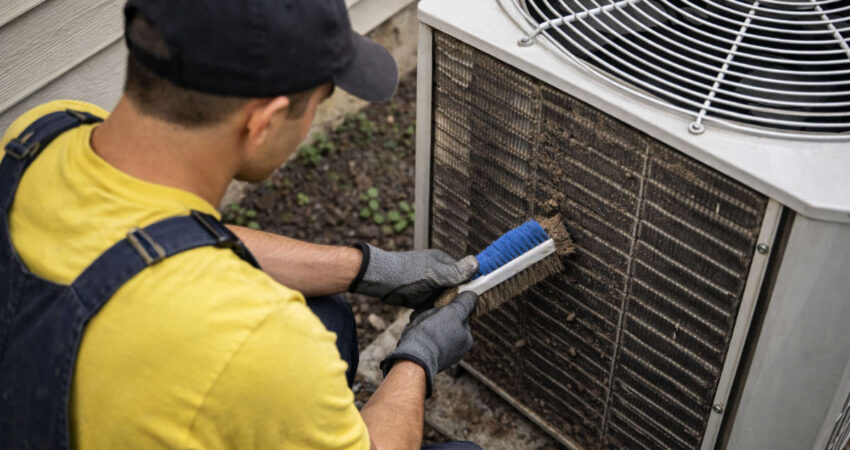
When dirt, dust, pollen, or grease build up, that heat transfer slows down. The system has to work harder and run longer to achieve the same results. Over time, this extra strain adds wear to other components, including the compressor.
A failing coil can cause similar issues, sometimes even worse. Corrosion, tiny refrigerant leaks, or bent fins all interfere with heat exchange. Once that happens, efficiency drops and comfort follows.
Common ways coils affect performance include:
- Restricted Heat Transfer: Dirt acts like insulation, trapping heat where it does not belong and reducing efficiency.
- Longer Run Times: The system cycles longer to compensate, which increases energy use.
- Added Stress on Parts: Motors and compressors work harder, shortening their lifespan.
- Inconsistent Comfort: Some rooms feel too warm or too cool, even when the thermostat seems right.
How Dirty Coils Drive Up Energy Bills
If your heat pump seems to be running nonstop, dirty coils are often to blame. When coils cannot release or absorb heat properly, the system loses efficiency and electricity use climbs.
We explain it to customers like this. Imagine trying to breathe through a thick scarf while running. You can still do it, but it takes more effort. A dirty coil forces your heat pump to operate the same way, using more power for the same output.
Here are some common signs that dirty coils are hurting your efficiency:
- Higher Utility Costs: Bills creep up without a clear explanation.
- Slower Heating or Cooling: The home takes longer to reach the desired temperature.
- Short Cycling: The system turns on and off frequently as it struggles to regulate.
- Warm Air in Cooling Mode: In summer, the air does not feel as cool as it should.
Routine maintenance can usually prevent these issues. Cleaning coils is not just about looks, it directly affects how much energy your system uses every day.
The Hidden Impact of Corrosion and Coil Damage
Dirt is not the only enemy of heat pump coils. Moisture, salt air, and everyday pollutants can lead to corrosion over time. In the Seattle area, with our damp climate, this is something we keep an eye on during inspections.
Corrosion weakens the metal and can lead to refrigerant leaks. Even a small leak reduces efficiency and forces the system to work harder. Left unchecked, it can result in a complete coil failure.
Some warning signs of coil damage include:
- Oily Residue: This can indicate a refrigerant leak near the coil.
- Reduced Airflow: Bent or damaged fins restrict air movement.
- Unusual Noises: Hissing or bubbling sounds may point to leaks.
- Poor Performance: Heating and cooling both feel weaker than before.
Once corrosion sets in, cleaning alone may not be enough. In those cases, repair or replacement becomes the safest and most cost-effective option.
How Failing Coils Affect Comfort and Indoor Air Quality
Efficiency is not the only thing that suffers when coils are dirty or failing. Comfort and air quality take a hit too. When airflow is restricted, temperature control becomes uneven. You might notice hot and cold spots that never seem to balance out.
Dirty coils can also trap moisture, creating an environment where mold and bacteria can grow. That growth can circulate through your home, affecting indoor air quality and aggravating allergies or respiratory issues.
Problems we often see tied to coil issues include:
- Musty Odors: Lingering smells when the system runs.
- Excess Humidity: The system struggles to remove moisture from the air.
- Allergy Flare Ups: Dust and allergens recirculate instead of being filtered out.
Clean coils help your heat pump regulate temperature and humidity more effectively, which keeps the air healthier and more comfortable for everyone inside.
Maintenance Habits That Protect Coil Efficiency
The good news is that many coil-related problems are preventable with regular care. Professional maintenance goes a long way, but there are also a few habits homeowners can adopt to support system health.
Here are some smart ways to protect your coils:
- Regular Professional Tune Ups: A trained technician can safely clean coils and spot early signs of damage.
- Consistent Filter Changes: Clean filters reduce the amount of debris that reaches the coils.
- Clear Outdoor Units: Keeping leaves and dirt away from the outdoor coil improves airflow.
- Address Issues Early: Strange noises or performance changes should never be ignored.
During a maintenance visit, we do more than just clean. We check refrigerant levels, inspect for corrosion, and make sure airflow is where it should be. That attention to detail helps your heat pump stay efficient year after year.
When Coil Problems Signal a Bigger Issue
Sometimes, a dirty or failing coil is a symptom of a larger problem. Improper refrigerant charge, poor airflow design, or aging equipment can all contribute to recurring coil issues. If coils keep getting dirty or corroded quickly, it is worth looking deeper.
Older systems, in particular, may reach a point where repairs no longer make sense. Newer heat pumps are designed with better materials and improved efficiency, which can reduce long-term maintenance concerns.
Situations where replacement might be the better choice include:
- Repeated Coil Leaks: Ongoing refrigerant loss becomes costly.
- Extensive Corrosion: Structural damage limits repair options.
- Declining Efficiency: Energy savings from a new system outweigh repair costs.
We always walk homeowners through their options honestly, focusing on what makes the most sense for comfort, efficiency, and budget.
Call Fox Today for Trusted Heat Pump Services in SeaTac and the Greater Seattle Area
If your heat pump is not keeping up, a dirty or failing coil could be the reason. At Fox Plumbing, Heating & Cooling, we help homeowners throughout SeaTac and the Greater Seattle area get their systems back on track with expert diagnostics, thorough cleaning, and reliable repairs.
Our team knows how quickly small coil issues can turn into big headaches. That is why we focus on same-day service, clear communication, and solutions that last. Whether your system needs a deep clean, a coil repair, or a full replacement, we are ready to help.
Give us a call at (253) 652-0223 or contact us online and let us take the strain off your heat pump and your energy bills. Think outside the box… Call Fox!