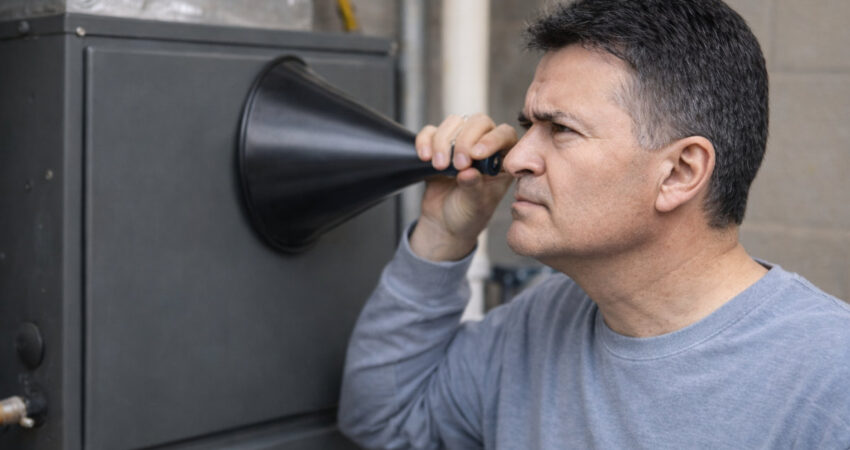
Furnace Noises: What They Mean and How to Deal With Them
Most furnaces are not completely silent, but there is a big difference between normal operating sounds and noises that make you stop and listen. A sudden bang, rattle, or screech can be unsettling, especially on a cold SeaTac night when your system is working overtime. Those sounds are not random; they are your furnace’s way of telling you something is not quite right.
Across the Greater Seattle area, we talk with homeowners every winter who ignore furnace noises at first, hoping they will go away. Sometimes they do not. Other times, a small sound turns into a major breakdown. Knowing what different noises mean helps you decide when to monitor the situation and when to call for help before a minor issue becomes a big repair.
Is your furnace clanking, buzzing, or grinding? Contact Fox Plumbing, Heating & Cooling today for professional furnace repair and maintenance, and other trusted HVAC services. Call us today at (833) 535-6847 to schedule your next service.
Banging and Popping Sounds Inside the Furnace
A loud bang when your furnace starts up can be startling. Popping sounds during operation can be just as concerning. These noises often come from metal expanding and contracting as the system heats up, but that is not always the full story.
In many cases, banging points to delayed ignition. This happens when gas builds up briefly before igniting, causing a small explosion inside the combustion chamber. It puts stress on internal components and should not be ignored. Popping can also come from ductwork flexing under pressure changes.
Possible causes include:
- Dirty burners causing delayed ignition
- Cracked or aging heat exchangers
- Loose or undersized ductwork
- Rapid temperature changes inside metal panels
Occasional mild pops may be normal, but repeated loud bangs mean it is time to stop guessing and get professional eyes on the system.
Rattling and Vibrating Noises That Will Not Stop
Rattling is one of the most common furnace noises we hear about. It usually sounds like something is loose, and often that is exactly the case. Over time, vibrations from regular operation can loosen screws, panels, or internal components.
Sometimes the noise is harmless, like a loose access panel. Other times, it points to worn bearings, failing motors, or blower issues. Left alone, rattling parts can cause additional wear and lead to more expensive damage.
Common sources of rattling include:
- Loose screws or cabinet panels
- Worn blower wheel components
- Failing motor mounts
- Objects that fell into duct openings
If the rattling gets louder or changes tone, it is usually a sign that the issue is progressing. That is when furnace repair becomes the safer option.
Screeching, Squealing, or Grinding Sounds
High-pitched noises are never something to brush off. Screeching or squealing often points to friction inside the system. Grinding is even more serious and usually indicates metal parts wearing against each other.
These sounds are often related to the blower motor or belt-driven components. Bearings may be dry or worn, belts may be slipping, or motors may be nearing failure. Running the furnace in this condition can quickly turn a repair into a replacement discussion.
You may notice:
- A loud squeal when the furnace starts
- Grinding noises that worsen over time
- Burning smells accompanying the sound
- Reduced airflow from vents
When these noises appear, shutting the system down and calling for heating services is usually the smartest move.
Whistling and Humming Coming From Vents or the Unit
Whistling sounds often come from airflow problems. Restricted airflow forces air through small openings, creating a high-pitched whistle. Humming can be electrical in nature or related to motors working harder than they should.
These sounds are common but still worth addressing. A clogged filter, closed vent, or undersized return can all cause whistling. Electrical humming may point to transformer issues or capacitor strain.
Things that often cause whistling or humming:
- Dirty or clogged air filters
- Closed or blocked vents
- Duct leaks or poor sealing
- Electrical components under strain
Fixing airflow problems not only quiets the system but also improves efficiency and comfort throughout your home.
Rumbling or Booming After the Furnace Shuts Off
A low rumble or boom after the furnace turns off can be unsettling. This noise often happens when burners shut down unevenly or when there is leftover gas igniting late. While it may not happen every cycle, it should still be taken seriously.
Rumbling can also come from ductwork pressure changes as airflow stops. In older systems, metal ducts may flex loudly. However, combustion-related rumbles deserve immediate attention.
Potential causes include:
- Dirty burners
- Improper gas pressure
- Burner alignment issues
- Aging combustion components
Ignoring these sounds increases the risk of further damage and safety concerns, especially during peak heating season.
Furnace Noise Troubleshooting You May Try
Before calling for service, there are a few safe steps homeowners can try. These will not fix every issue, but they may help identify simple problems or rule out basic causes. Always prioritize safety and shut the system off if something seems serious.
- Check and replace the air filter if it looks dirty or clogged: Restricted airflow can cause whistling, humming, and rattling. A clean filter improves airflow, reduces strain on the blower, and often quiets the system almost immediately.
- Make sure all vents and returns are fully open and unobstructed: Furniture, rugs, or curtains blocking vents force air through smaller openings. This increases noise and pressure inside the system, which can lead to whistles or vibration.
- Listen closely to where the noise is coming from: Try to determine if the sound is coming from the furnace cabinet, ductwork, or vents. This information helps HVAC experts diagnose the problem more quickly.
- Inspect visible panels and screws for looseness: Sometimes, rattling is as simple as a loose access panel. Tightening visible screws gently can eliminate annoying vibrations without tools or advanced knowledge.
- Turn the system off and back on once: If the noise started after a power interruption, a reset may help. If the noise returns immediately, do not keep cycling the system.
- Pay attention to when the noise occurs during the heating cycle: Sounds during startup, operation, or shutdown point to different issues. Noting the timing helps narrow down the cause.
- Stop using the furnace if you hear grinding, screeching, or booming: These sounds often indicate serious mechanical or combustion issues. Continuing to run the system can cause further damage and increase repair costs.
If these steps do not help or the noise persists, it is time to bring in a professional.
When Noises Mean Repair or Replacement Is Near
Not all furnace noises mean the system is failing, but patterns matter. Frequent, worsening, or multiple noises often indicate aging components. At that point, ongoing furnace services become more cost-effective than repeated fixes.
Older systems are especially prone to noise-related wear. If repairs are becoming frequent and efficiency is dropping, it may be time to discuss long-term options. In some cases, funrace replacement becomes the safer and more economical choice.
HVAC experts can evaluate:
- Overall system condition
- Safety and combustion performance
- Repair versus replacement cost balance
- Expected remaining lifespan
This guidance helps homeowners make informed decisions without pressure or guesswork.
Get Quiet Comfort Back With Help From Fox Plumbing, Heating & Cooling
Furnace noises are your system’s way of asking for attention. At Fox Plumbing, Heating & Cooling, we help homeowners across SeaTac and the Greater Seattle area understand what those sounds mean and what to do next. Our experienced technicians know how to spot small issues before they turn into major breakdowns.
Whether you need a quick inspection, reliable furnace repair, or honest advice about replacement options, we are here to help. We focus on clear communication, same-day service, and solutions that make sense for your home and budget.
If your furnace is making noises you do not recognize, do not wait. Think Outside the Box… Call Fox at (833) 535-6847 or contact us online for professional furnace repair and tune-ups in SeaTac and throughout Seattle.