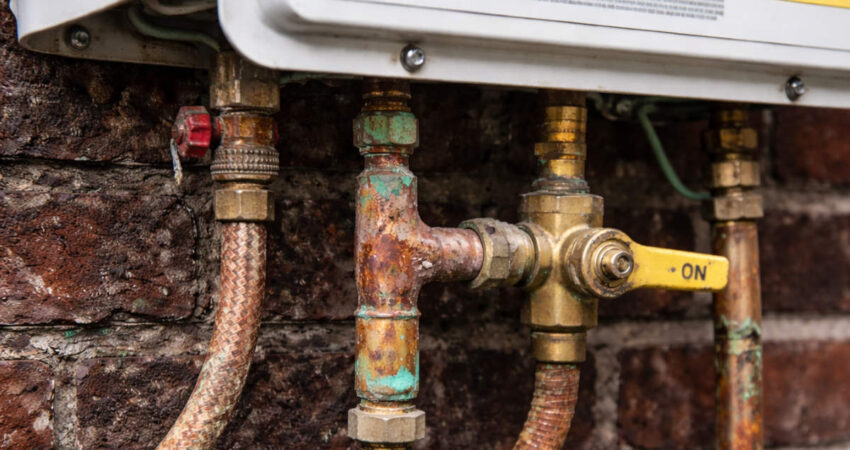
How to Tell If Your Home’s Gas Line Is Too Old to Handle Modern Appliances
Natural gas is one of those things most of us never think about, until something feels off. Maybe you just upgraded to a new gas range, installed a tankless water heater, or you are planning to add a high-efficiency furnace. Suddenly, the question pops up: can your home’s gas line actually handle all this new equipment?
Here in SeaTac and across the Greater Seattle area, a lot of homes were built decades ago. Gas systems from the 1950s, 60s, or even earlier were designed for much simpler appliances. We see this every week at Fox Plumbing, Heating & Cooling, and it is one of the most common hidden issues behind poor appliance performance and safety concerns.
Why Older Gas Lines Struggle With Modern Appliances
Gas appliances today are very different from what homes were originally built for. Older houses might have had a small furnace, a basic water heater, and maybe a stovetop. That was it. Fast forward to today, and many homes now run multiple high-demand appliances at once.
Modern systems often need more gas volume and more consistent pressure. Older gas lines were not sized with that kind of load in mind. When demand exceeds capacity, appliances may starve for fuel, leading to inefficient operation or frequent shutdowns.
Common reasons older gas lines fall short include:
- Smaller diameter piping that cannot deliver enough gas
- Materials like galvanized steel that corrode internally over time
- Layouts that were never designed for multiple simultaneous appliances
- Lack of dedicated lines for high-demand equipment
Even if everything seems to be working, an undersized or aging gas line can quietly cause long-term problems.
Warning Signs Your Gas Line May Be Too Old
Your home often gives you clues when the gas system is under stress. These warning signs are easy to miss if you do not know what to look for, but once you spot them, it is worth paying attention.
If you notice any of the following, your gas line may be outdated or undersized:
- Appliances take longer to heat or never reach full output
- Your furnace struggles on very cold Seattle nights
- Burners on your stove flicker or change color when another appliance turns on
- A tankless water heater delivers inconsistent hot water
- You smell gas occasionally, even faintly
These issues do not always mean your gas line is dangerous, but they do mean it may not be keeping up. In many cases, homeowners blame the appliance when the real issue is the supply line feeding it.
The Age and Material of Your Gas Piping Matters
One of the first things we check during a gas line inspection is the type of piping used. Different materials age very differently, and some are far more prone to problems than others.
Older homes in the Seattle area often used galvanized steel gas piping. Over time, this material corrodes from the inside, reducing the effective diameter of the pipe. That means less gas can flow, even if the pipe looks fine from the outside.
You may also encounter:
- Black iron piping that is sturdy but may be undersized by today’s standards
- Older flexible connectors that are no longer code-compliant
- Mixed materials added during past renovations
If your home has never had a gas line upgrade, and it is more than 40 years old, there is a strong chance the system was not designed for modern loads.
How New Appliances Increase Gas Demand
One of the biggest surprises for homeowners is how much gas newer appliances actually use. High efficiency does not always mean low demand. In fact, some of today’s best systems need more gas delivered faster.
Appliances that commonly strain older gas lines include:
- Tankless water heaters that fire at very high BTU levels
- High-efficiency furnaces with powerful burners
- Gas dryers paired with other major gas appliances
- Outdoor kitchens and gas fireplaces added later
When multiple appliances run at the same time, the gas line must handle peak demand. If it cannot, performance suffers. This is why adding just one new appliance can suddenly reveal an old gas line problem that was hidden for years.
Safety Risks of Outdated Gas Lines
Beyond comfort and performance, safety is the biggest concern with aging gas infrastructure. Gas systems are incredibly safe when properly designed and maintained, but outdated piping increases risk.
Older gas lines may develop leaks at joints, corrosion points, or old connectors. Pressure fluctuations can also cause appliances to shut down improperly, increasing wear and tear on safety components.
Potential risks include:
- Gas leaks that build up slowly and go unnoticed
- Carbon monoxide issues from improperly fueled appliances
- Emergency shutoffs triggered by inconsistent pressure
- Higher risk during seismic activity common in our region
These issues are not meant to scare you, but they are real. The good news is that they are also very preventable with proper inspection and upgrades.
What a Professional Gas Line Evaluation Looks Like
A proper gas line assessment goes far beyond a quick glance. When our technicians at Fox Plumbing, Heating & Cooling evaluate a system, we look at the whole picture.
That includes:
- Calculating total BTU demand of all gas appliances
- Measuring pipe sizes and checking routing
- Inspecting materials, joints, and connectors
- Verifying compliance with current safety codes
This process helps us determine whether your existing gas line can safely and efficiently support your home as it is today, not how it was 40 years ago. In many cases, partial upgrades or resizing certain sections are enough to solve the problem.
Upgrading Gas Lines Is Often Simpler Than You Think
Many homeowners assume gas line upgrades mean tearing open walls or major construction. While some projects are more involved, many upgrades are straightforward, especially when planned correctly.
Modern gas piping options are more flexible, durable, and efficient. With proper planning, upgrades can often be completed alongside appliance installations, minimizing disruption.
Benefits of upgrading include:
- Better appliance performance and reliability
- Improved safety and peace of mind
- Code compliance for future renovations
- Increased home value and buyer confidence
If you are already considering a new furnace, water heater, or other gas appliance, it is the perfect time to address the gas line feeding it.
Let Fox Solve Your Aging Gas Line Problems
Before sunset rolls around and your home settles in for the night, it is worth knowing your gas system is up to the task. An outdated gas line can quietly undermine comfort, efficiency, and safety, especially as modern appliances place higher demands on older infrastructure.
At Fox Plumbing, Heating & Cooling, we help homeowners across SeaTac and the Greater Seattle area identify gas line issues before they turn into expensive or dangerous problems. Whether you are planning an upgrade or just want peace of mind, our experienced team can evaluate your system and recommend smart solutions that fit your home.
If you suspect your gas line may be too old to handle today’s appliances, give us a call at (833) 535-6836 for professional gas line services. We are here to keep your home running safely, efficiently, and comfortably, day or night.