How Low Refrigerant Levels Can Damage Your Heat Pump
When a heat pump starts acting up, refrigerant levels are not usually the first thing homeowners think about. Most of the time, people notice rooms taking longer to heat or cool, strange noises outside, or energy bills creeping up for no clear reason. Around SeaTac and the Greater Seattle area, those small changes often trace back to one quiet issue, low refrigerant.
At Fox Plumbing, Heating & Cooling, we see the damage low refrigerant can cause when it goes unchecked. Refrigerant is the lifeblood of a heat pump, and when levels drop, the system struggles in ways that can shorten its lifespan. Understanding how this happens helps you spot trouble early and protect your comfort investment.
If you’re thinking your heat pump may be running low on refrigerant, don’t hesitate to reach out to Fox for any refrigerant checks, refills, or any other heat pump maintenance or repair services. Call us today at (253) 652-0530 or contact us online for a free quote.
What Refrigerant Actually Does Inside Your Heat Pump
Refrigerant is not fuel and it does not get used up during normal operation. Instead, it circulates through the system, absorbing and releasing heat as it changes pressure and temperature. This cycle is what allows your heat pump to move heat rather than create it.
When refrigerant levels are correct, the system runs smoothly and efficiently. When levels drop, heat transfer slows down and pressures fall out of balance. That puts stress on nearly every major component.
A healthy refrigerant charge helps ensure:
- Consistent Heating and Cooling: The system reaches set temperatures without overworking.
- Balanced System Pressure: Proper pressure protects coils and the compressor.
- Energy Efficiency: Less run time means lower energy use.
- Longer Equipment Life: Components are not forced to operate outside design limits.
Low refrigerant interrupts all of this, often quietly at first.
Why Refrigerant Levels Drop in the First Place
Heat pumps are sealed systems, so refrigerant does not simply disappear. If levels are low, there is almost always a leak somewhere. That leak may be small, but over time it causes noticeable performance issues.
Leaks can develop for several reasons, especially in systems that have been running for years. Corrosion, vibration, and poor installation all play a role.
Common causes of low refrigerant include:
- Corroded Coils: Moisture and pollutants wear down copper tubing.
- Loose Fittings: Vibration causes joints to loosen slowly.
- Manufacturing Defects: Rare, but possible in newer systems.
- Previous Improper Repairs: Incorrect charging leaves the system underfilled.
Topping off refrigerant without fixing the leak is never a real solution. The problem will return, often worse than before.
How Low Refrigerant Hurts Heating and Cooling Performance
One of the first things homeowners notice with low refrigerant is weak performance. The heat pump runs longer, but comfort never quite feels right. In winter, air feels lukewarm. In summer, cooling struggles to keep up.
As refrigerant levels drop, the system cannot absorb or release heat effectively. That forces the compressor to work harder and longer. Over time, that extra strain leads to breakdowns.
Here are common performance symptoms tied to low refrigerant:
- Longer Run Times: The system rarely shuts off because it cannot meet demand.
- Uneven Temperatures: Some rooms feel fine while others stay uncomfortable.
- Icy Coils: Low pressure causes moisture to freeze on the evaporator coil.
- Rising Energy Bills: Increased run time leads directly to higher costs.
Ignoring these signs often leads to much bigger repairs down the road.
The Compressor Damage Risk Homeowners Often Miss
The compressor is the heart of your heat pump and also the most expensive component. Low refrigerant puts the compressor in serious danger. When refrigerant levels drop, the compressor does not get the cooling and lubrication it needs.
This causes internal temperatures to rise and parts to wear faster. Eventually, the compressor can fail completely. At that point, replacement is often the only option.
Ways low refrigerant damages compressors include:
- Overheating: Reduced refrigerant flow fails to remove heat.
- Oil Breakdown: Proper lubrication suffers under high heat.
- Electrical Stress: Longer cycles strain electrical components.
- Premature Failure: Small leaks lead to big, expensive outcomes.
Protecting the compressor is one of the biggest reasons to address refrigerant issues quickly.
Warning Signs That Refrigerant Levels Are Too Low
Low refrigerant does not always announce itself loudly. Many warning signs are subtle and easy to ignore at first. That is why knowing what to watch for makes such a difference.
Here are clear indicators that should prompt a professional check:
- Hissing or Bubbling Sounds: These noises often point to refrigerant escaping through a leak.
- Ice on the Outdoor or Indoor Unit: Frozen coils signal low pressure and poor heat transfer.
- Weak Airflow Temperature: Air coming from vents does not feel warm or cool enough.
- Short Cycling or Constant Running: The system struggles to regulate properly.
If any of these show up, turning to a trained technician is the safest move.
Why DIY Refrigerant Fixes Make Things Worse
We understand the temptation to look for quick fixes online, especially when comfort is on the line. Refrigerant work is not one of those areas where DIY solutions help. In fact, they often make the problem worse.
Handling refrigerant requires certification, specialized tools, and precise measurements. Adding refrigerant without proper diagnosis can damage the system or create safety hazards.
Problems with DIY refrigerant attempts include:
- Incorrect Charging: Too much refrigerant is just as harmful as too little.
- Missed Leaks: The root cause goes unresolved.
- System Damage: Improper handling harms valves and compressors.
- Safety and Legal Risks: Refrigerant handling is regulated for good reason.
Professional repair ensures leaks are found, fixed, and recharged correctly.
How Professional Maintenance Prevents Refrigerant Damage
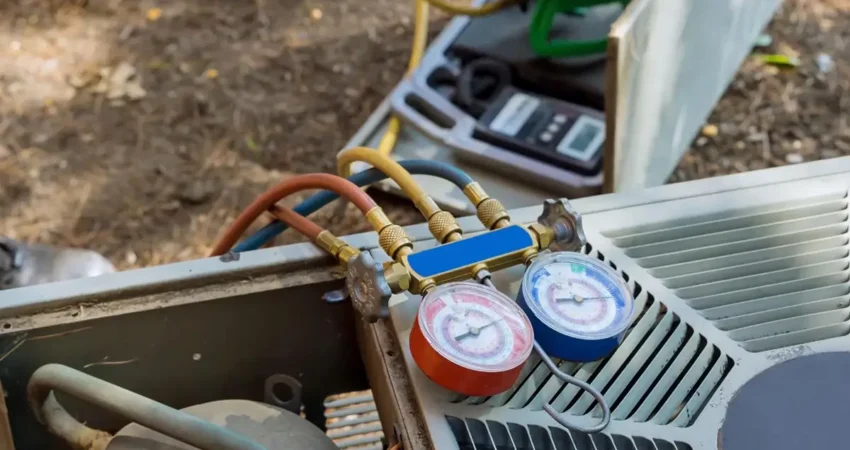
Routine maintenance plays a huge role in preventing refrigerant related damage. During regular service visits, technicians check pressures, inspect coils, and look for early leak signs.
At Fox, we take a proactive approach. We do not just react when something breaks. We focus on keeping systems balanced and efficient year after year.
Maintenance benefits include:
- Early leak detection before major loss occurs.
- Proper system charging and performance testing.
- Reduced strain on compressors and coils.
- Longer system lifespan and better efficiency.
Regular care costs far less than major repairs or premature replacement.
Call Fox for Any Heat Pump Refrigerant Problems Before They Cost You!
Low refrigerant levels may start as a small issue, but they can quickly turn into major heat pump damage if ignored. At Fox Plumbing, Heating & Cooling, we help homeowners throughout SeaTac and the Greater Seattle area catch refrigerant problems early and fix them the right way.
Whether your system needs leak detection, proper recharging, or a full performance check, our experienced technicians are ready to help. We arrive with fully stocked vehicles and clear explanations, so you always know what is going on with your system.
If your heat pump is struggling, do not wait for bigger damage. Think outside the box… Call Fox at (253) 652-0530 or contact us online for trusted HVAC services.