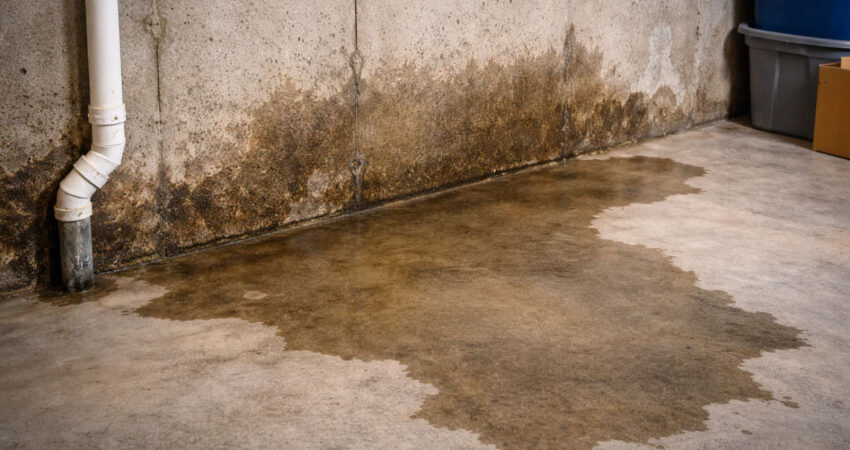
Dealing With a Slab Leak: What to Do Before the Plumber Arrives
Few plumbing problems feel as stressful as a slab leak. You might notice warm spots on the floor, unexplained spikes in your water bill, or the sound of running water when nothing is on. Suddenly, your calm day in SeaTac turns into a scramble to figure out what is happening beneath your home’s foundation. Slab leaks are sneaky, and they often make themselves known when damage has already started.
At Fox Plumbing, Heating & Cooling, we help homeowners across King County and the Greater Seattle area deal with slab leaks every day. While professional repair is always required, there are smart steps you can take right away to limit damage and protect your home before a plumber arrives.
First Things First, Don’t Panic, but Do Act Quickly
A slab leak is serious, but panicking rarely helps. What does help is moving with purpose. The faster you respond, the better chance you have of minimizing water damage, mold growth, and costly repairs.
The moment you suspect a slab leak, your goal is to slow or stop the water and keep conditions from getting worse. Even an hour or two can make a difference. Many homeowners hesitate because they are not sure what is safe to do, but there are several actions you can take without touching the actual plumbing.
Focus on staying calm, thinking clearly, and working through the basics. You are not fixing the leak yourself, you are buying time and protecting your home until help arrives.
Shut Off the Water Supply as Soon as Possible
This is the single most important step you can take. If water keeps flowing, damage keeps spreading. Most homes have a main water shutoff valve, often located near where the water line enters the house, in a utility room, garage, or outside near the foundation.
Once you turn off the main valve, check that water flow has stopped at faucets and fixtures. This confirms that the system is no longer under pressure.
If you are unsure where to find the shutoff, look for:
- A round or lever-style valve near the water meter
- A valve close to the water heater
- An outdoor shutoff box near the street
- Labels left by previous plumbers or builders
If the valve is stuck or broken, do not force it. Call for emergency help and let a professional handle it.
Reduce Pressure on the Plumbing System
Shutting off the main water supply, it helps to relieve pressure inside the pipes. This simple step can reduce stress on the damaged section and limit additional leakage.
Open the lowest faucet in your home, such as a basement sink or ground-level bathroom faucet. Let any remaining water drain out. Then open a few higher faucets briefly to allow air into the system.
This step is often overlooked, but it can slow the leak and make the environment safer until repairs begin. Once pressure is relieved, turn the faucets off again to avoid confusion later.
Watch for Electrical and Safety Concerns
Water and electricity do not mix, and slab leaks can create hidden hazards. If water has reached electrical outlets, appliances, or panels, safety becomes the priority.
Walk through your home carefully and look for damp floors, wet carpet, or pooling water. If you see water near electrical components, avoid those areas and consider shutting off power to the affected rooms at the breaker panel.
Be especially cautious if you notice:
- Warm or damp spots near outlets
- Flickering lights in wet areas
- Tripped breakers with no clear cause
- Standing water near appliances
If you are unsure about electrical safety, wait for professional help. Your safety always comes first.
Document What You’re Seeing Right Now
It might feel strange to grab your phone during a plumbing emergency, but documentation can be incredibly helpful. Take photos or short videos of visible signs of the slab leak before anything changes.
This record can help your plumber diagnose the problem faster and may also be useful for insurance purposes later.
Helpful things to document include:
- Wet or warm areas on floors
- Cracks in flooring or foundation
- Water pooling in specific spots
- Water meter movement with fixtures off
- Damage to baseboards or walls
You do not need to overdo it, just capture what stands out. Clear information saves time once repairs begin.
Avoid DIY Repairs That Can Make Things Worse
When water is involved, the urge to fix something fast is strong. Unfortunately, slab leaks are not a DIY situation. The leak is under concrete, and guessing can lead to more damage.
Avoid breaking into floors, drilling, or cutting into pipes without proper equipment and training. This often turns a controlled repair into a much bigger project.
Also avoid:
- Using chemical sealants or stop leak products
- Jackhammering concrete on your own
- Ignoring the leak because water seems minimal
- Restarting water to “see if it’s better”
Professional slab leak repair relies on specialized leak detection tools and careful planning. Waiting for the right help is the smartest move.
Protect Floors, Furniture, and Nearby Belongings
While waiting for the plumber, you can reduce secondary damage by protecting your home’s contents. Move furniture, rugs, and personal items away from affected areas if it is safe to do so.
Use towels, buckets, or plastic sheeting to manage moisture and prevent water from spreading. Even small steps can help limit staining and warping.
Focus on:
- Removing rugs or mats from damp floors
- Elevating furniture legs with blocks or foil
- Ventilating the area with fans if appropriate
- Keeping doors open to promote airflow
Do not use heat sources on wet floors, as this can cause warping or cracking. Gentle airflow is usually best.
Know When It’s Time to Call for Emergency Help
Some slab leaks are urgent enough to require immediate professional response. If water damage is spreading quickly, structural concerns are present, or safety risks appear, do not wait.
Call for emergency plumbing service if you experience:
- Rapid flooding or standing water
- Inability to shut off the water
- Strong musty odors suggesting mold growth
- Sudden drops in water pressure throughout the home
- Cracks forming or expanding in floors or walls
Fox Plumbing, Heating & Cooling offers 24/7 emergency plumbing services across SeaTac and the Greater Seattle area, so help is always within reach.
What Happens Once the Plumber Arrives
Knowing what comes next can ease some anxiety. When a professional arrives, they will start with leak detection. This often involves electronic listening devices, pressure testing, or thermal imaging to pinpoint the exact location of the leak without unnecessary destruction.
Once the slab leak’s source is identified, repair options are discussed. Depending on the situation, this may include spot repair, rerouting pipes, or repiping sections of the system. Modern techniques often allow for less invasive solutions than homeowners expect.
Your role at this point is simple, ask questions, understand the plan, and let the professionals handle the rest.
Dealing With a Slab Leak? Think Outside the Box… Call Fox!
Dealing with a slab leak is stressful, especially when it feels like the problem is hidden beneath your home. Knowing what to do before the plumber arrives can protect your floors, your foundation, and your peace of mind. Those early steps matter more than most homeowners realize.
Fox Plumbing, Heating & Cooling has been serving SeaTac, King County, and the Greater Seattle area since 1964. Our experienced technicians specialize in slab leak detection and repair, using modern tools to solve the problem with as little disruption as possible. When water is threatening your home, you deserve fast, knowledgeable help.
If you suspect a slab leak or need emergency plumbing service, call (833) 535-6836. Think outside the box… Call Fox!